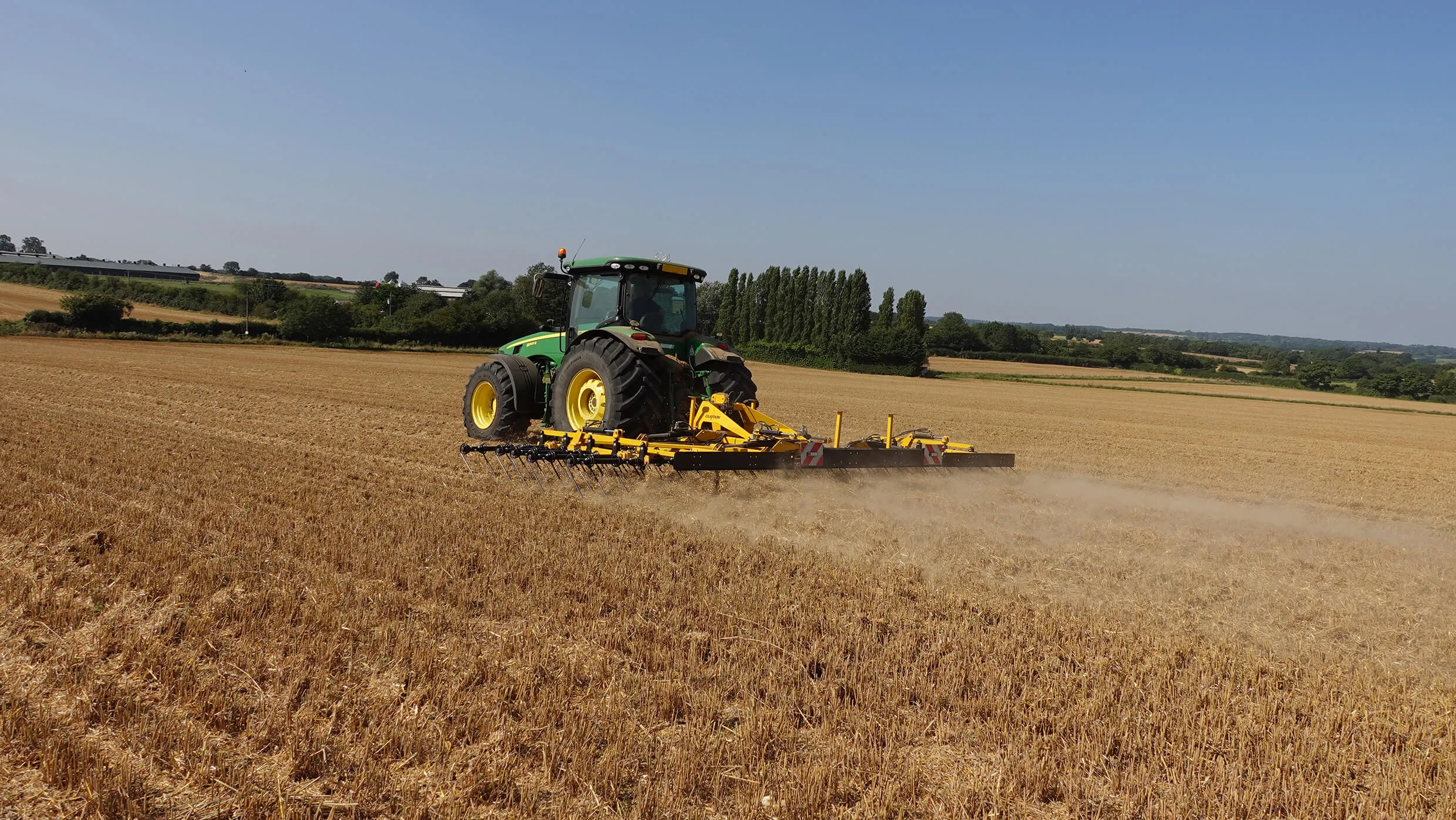
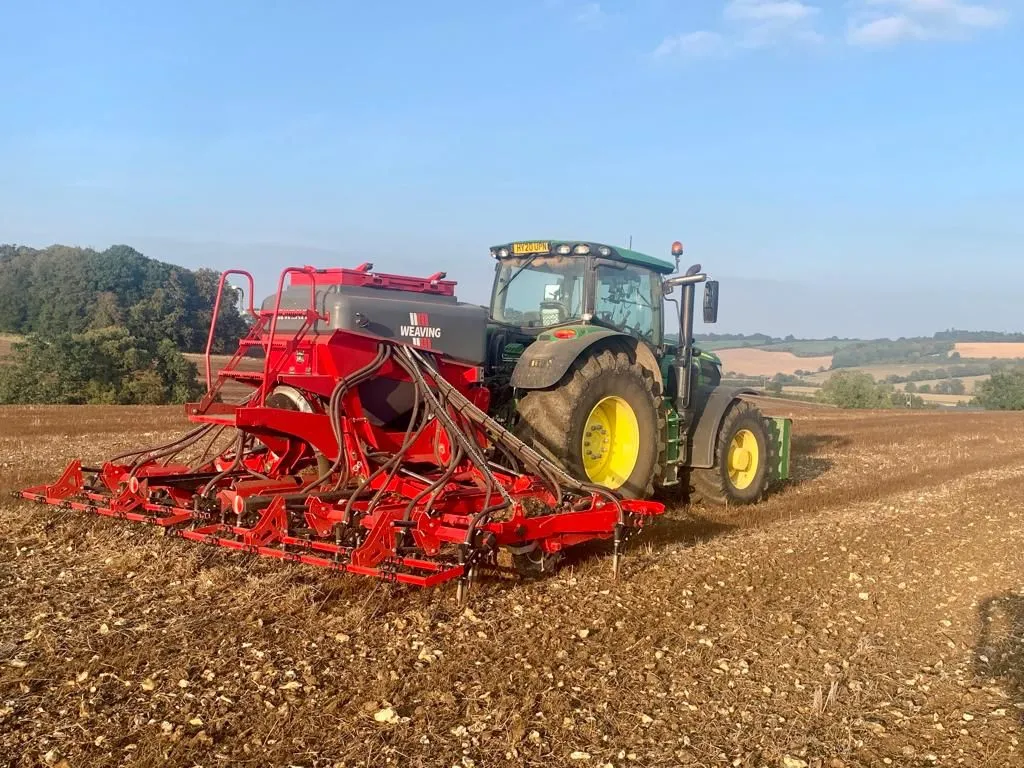
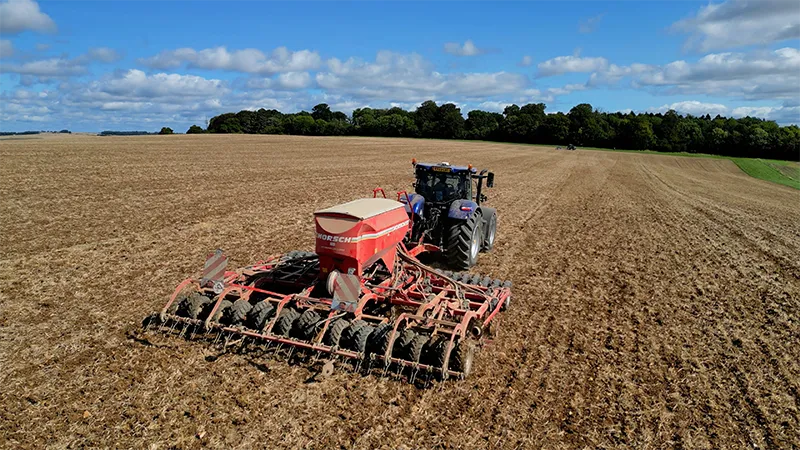
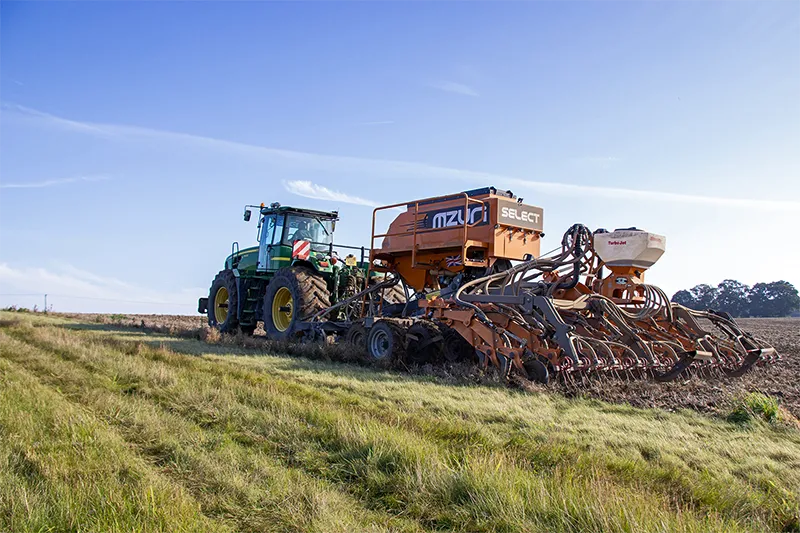
By using a specialised High Carbon steel, the C60 range allows for the tines to retain optimum flexibility where needed (see yellow section) whilst heat treating the wear tips so that they reach a hardness in excess of 60HRC.
Resulting in an unrivalled high quality performance with maximum wear life.
Maxipart® Manufacturing Practices
Maxipart® components are manufactured using a range of precision engineering processes, selected to suit the specific design and performance requirements of each part.
Every stage of production follows strict quality control procedures to ensure accuracy, consistency, and reliability — from concept and CAD design through to bulk manufacturing. We never compromise on standards or cut corners to reduce cost.
With Maxipart®, quality and precision are guaranteed.
Wax Casting
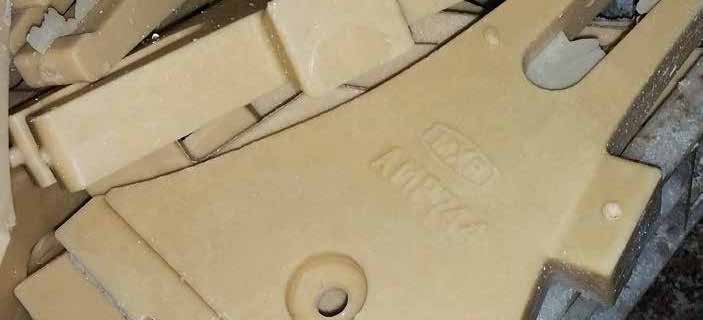
The most common manufacturing method for Maxipart® components is wax casting process.
In this technique, a steel mould is injected with liquid wax to create an exact replica of the part. Once encased in a hardened shell, the wax is melted away, leaving a precise cavity ready for molten metal. As the metal cools, it forms a highly accurate cast duplicate.
This process allows consistent, repeatable production and the flexibility to adjust alloy composition for optimal hardness, wear resistance, and performance.
Because temperature changes can cause minor dimensional variations, every part undergoes strict quality checks to ensure correct fitment. Any component that doesn’t meet exacting standards is reworked or discarded before shipment.
Laser Cutting
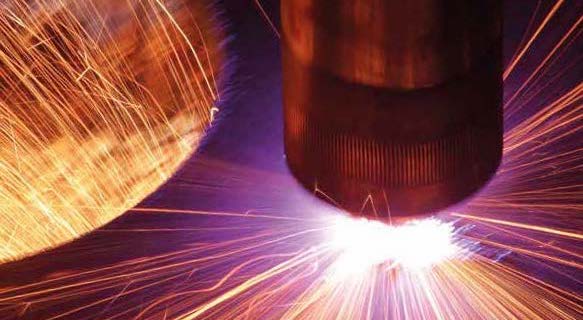
Laser cutting is typically used for components that are flat or require exceptionally precise fitment and shape.
Sheet steel is sourced to the exact specification, then laser-cut and folded to achieve the required form — for example, subsoiler legs or slitting tines for direct drills.
The key advantage of laser cutting is its outstanding accuracy and consistency, allowing parts to be replicated directly from CAD designs with minimal variation.
Forging
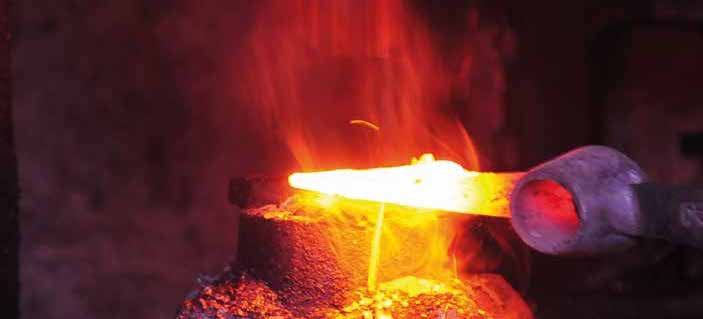
Forging is one of the most traditional methods of shaping metal, using extreme pressure and heat to press material into form within a mould.
Once forged, each part is cooled, hardened, and finished to specification. This process is ideal for high-volume production and components without deep cavities, such as Maxipart® plough parts and cultivator points.
Forging compresses impurities and air pockets within the alloy, resulting in a uniformly hardened and highly durable product. Although more costly than casting, forged parts can offer enhanced wear characteristics — for example, hedge-cutting flails that retain sharper edges for longer and can be re-sharpened multiple times.
Tungsten Brazing
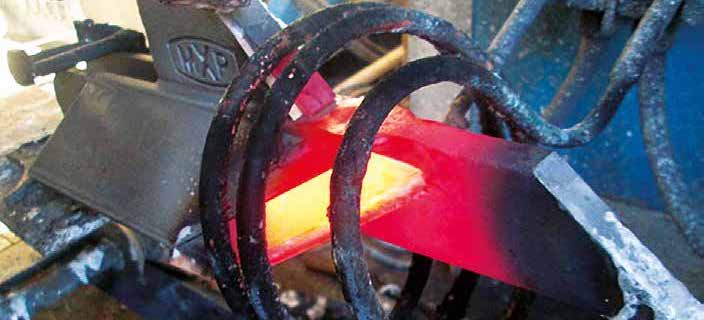
Tungsten carbide offers exceptional tensile strength — the highest of any naturally occurring metal — making it ideal for extending the lifespan of wearing parts.
This intricate process fuses a tungsten tile to a pre-tempered steel base, creating an exceptionally strong and durable bond. To achieve optimal performance, the base metal must be sufficiently thick and precisely tempered to the correct hardness after the tungsten has been applied.
×
1
Product selection
2
Contact information
3
Review information
Subscribe to the Maxipart® Newsletter
Get notified about new products, events and Maxipart® news.