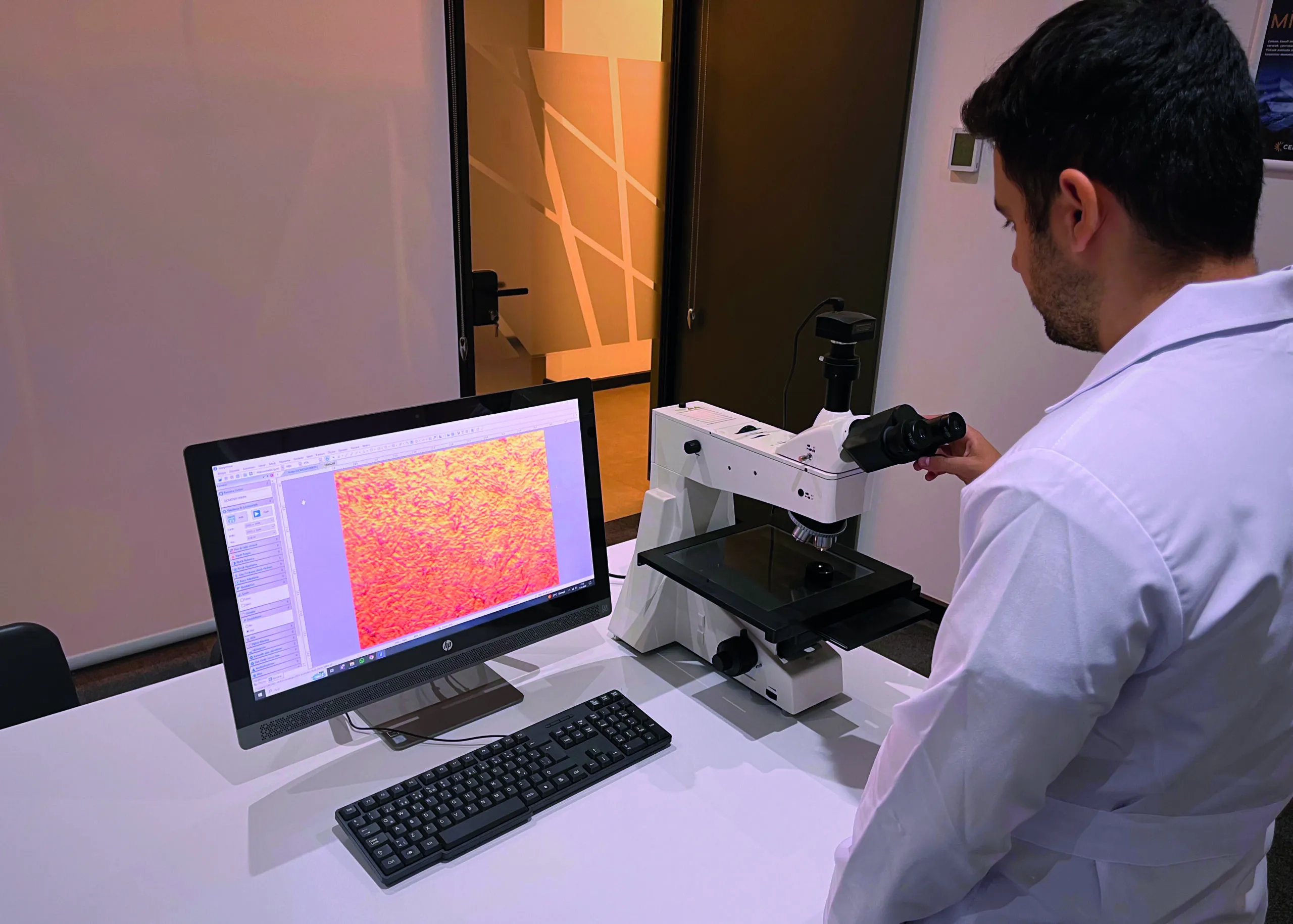
Discs stay sharper for longer
during their extended life
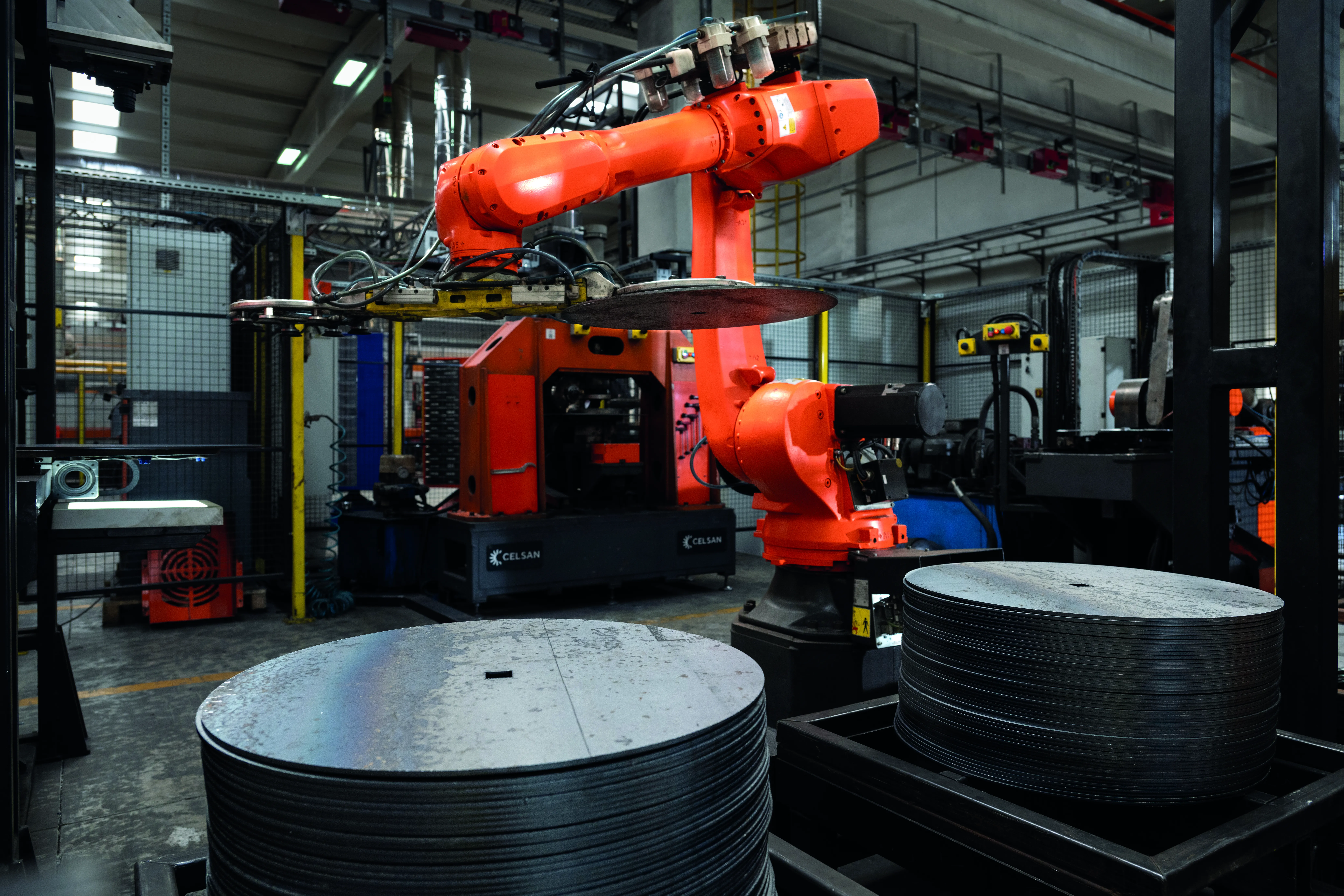
After four years of rigorous lab and field tests*, all Maxipart discs are now made from micro-alloy steel, designed to endure harsh and abrasive soil conditions
This cutting-edge material reflects our commitment to innovation and product development to deliver the longest-lasting wear parts on the market.
*Lab tests and extensive field trials (since 2020) have shown improvements of between 10-30% increased abrasion resistance.
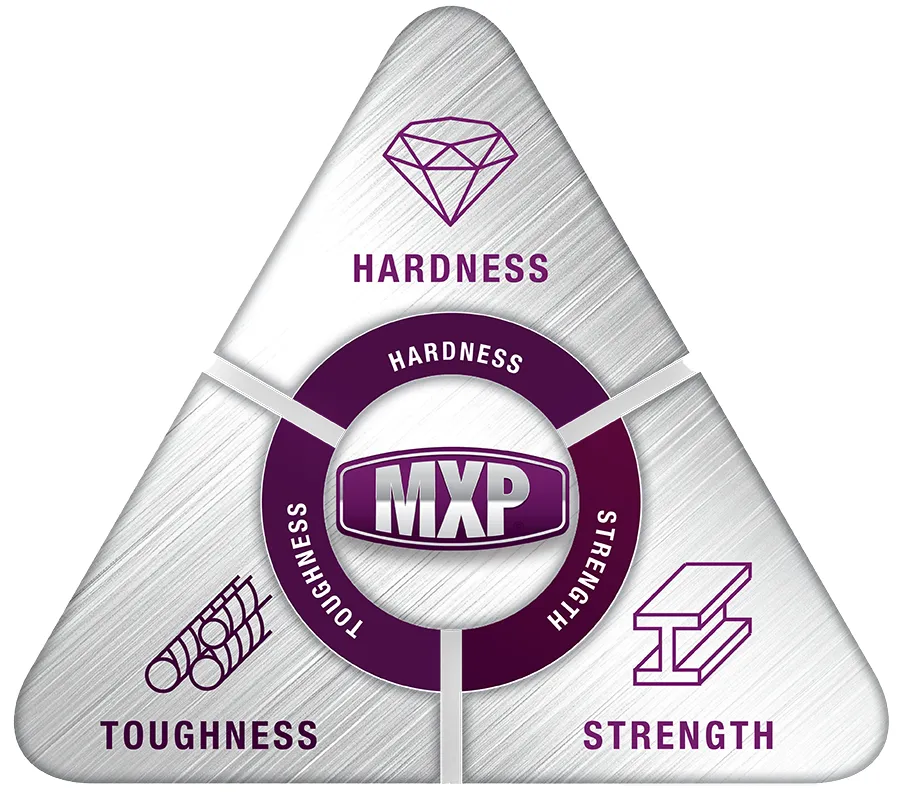
Extended wear life via:
✓ HARDNESS = Ability of a material to resist deformation.
✓ STRENGTH = Ability of a material to withstand an applied load.
✓ TOUGHNESS = Ability of a material to absorb energy without fracture.
Maxipart® Manufacturing Practices
Maxipart® products are produced using a variety of manufacturing practices, and this is dependent on the nature, style and requirements of the product. The production method will be decided at the initial design stage when the concept is discussed.
At every stage we must be able to adhere to all of our quality control procedures, handle bulk orders in a specified time, and most importantly produce products that match the CAD drawings every time without fail. At no point do we cut corners to reduce costs – the part quality comes first and foremost. With Maxipart® the consistency of quality is guaranteed. Here are the different practices we use;
Wax Casting
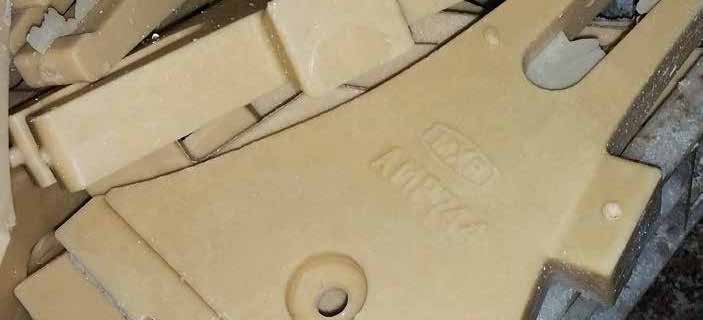
The most common method of creating a cast product is by using wax process method.
A steel mould is injected with liquid wax, which solidifies within the mould and creates an exact wax model replica of the part you wish to cast. The wax model is then encased in an outer shell, once hardened around the wax mould, will be immersed in a warm liquid to release the wax inside, leaving the shell with a hollow core. Molten metal is then poured into the hollow shell and allowed to cool, creating a cast duplicate. This is the most common method for Maxipart® products, not only does it allow us to create duplicate parts consistently and quickly. Using this technique also allows greater flexibility with regards to increased hardness and wear rate requirements and specific metallurgy requests, as different alloys can be increased or decreased in the cast ‘mix,’ to help ensure optimum wear.
With the wax method of manufacturing, the heating and cooling of metal has a size tolerance which can sometimes lead to marginal size differences and fitment issues. Quality control checks on the assembly line are crucial to ensure correct fitment. Non-fitting parts are adjusted or discarded before shipment.
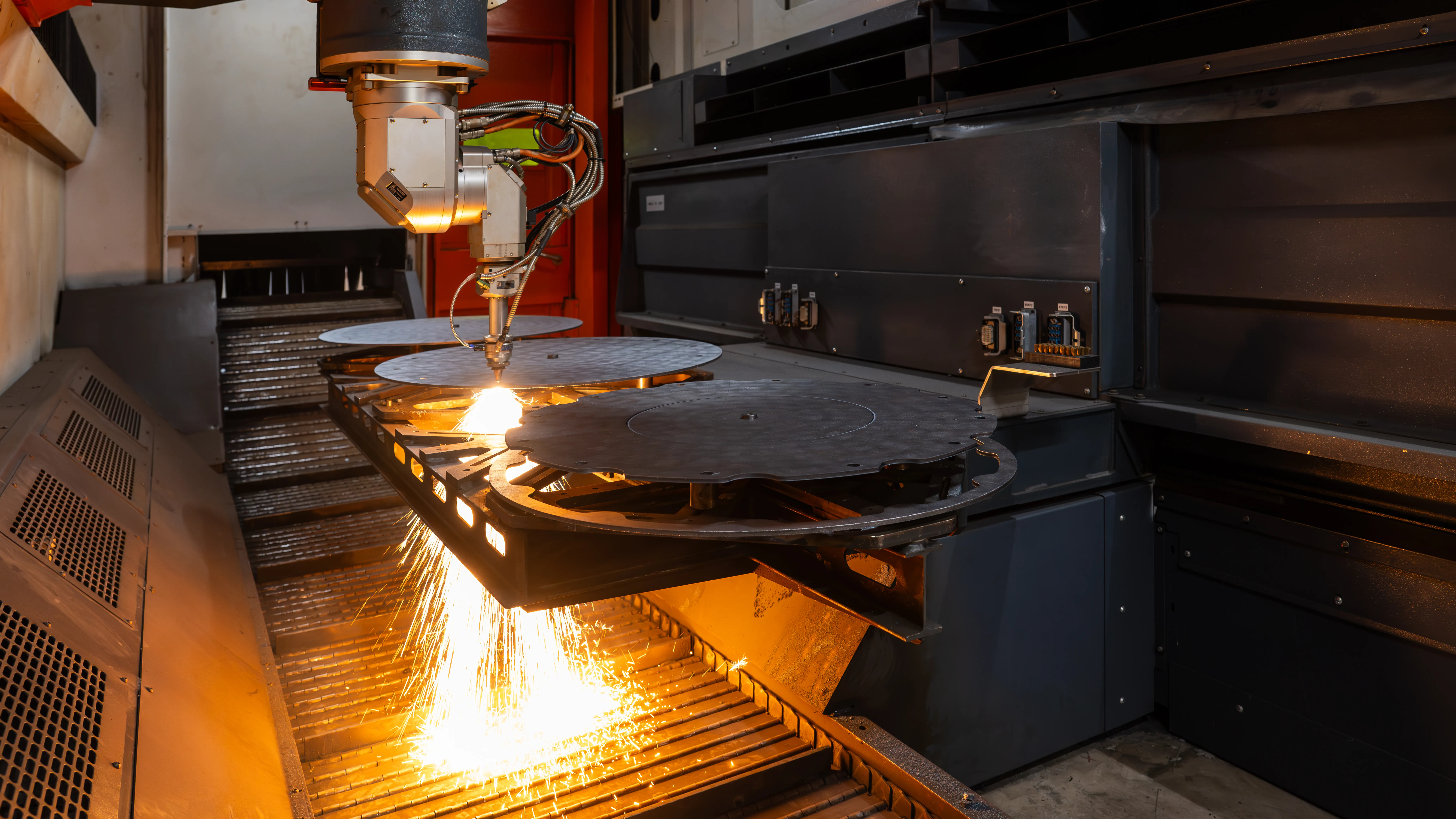
Laser Cutting
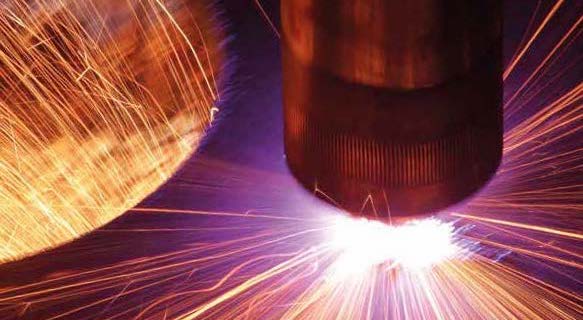
Laser cutting is typically used for parts that are predominantly flat, or very precise in their fitment and shape.
Sheet-steel is purchased to the correct thickness, cut using a laser and then folded to create the right shape. A good example of this would be a subsoil leg or slitting tines for a direct drill.
The main advantage of laser cutting is that it is very accurate to recreate a product based from a CAD drawing.
Forging
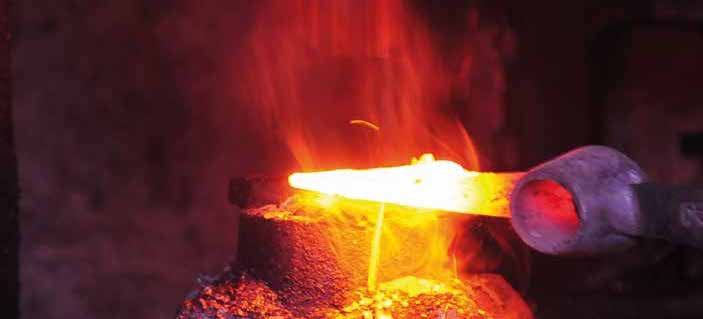
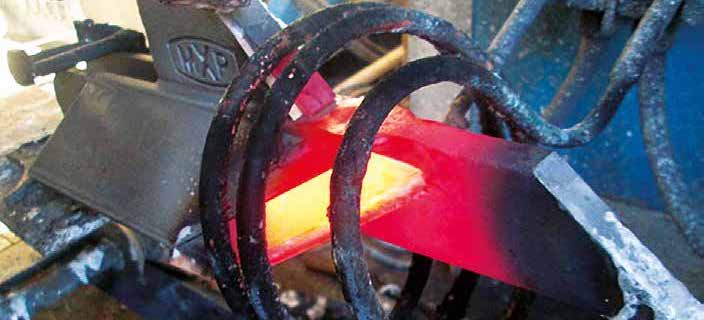
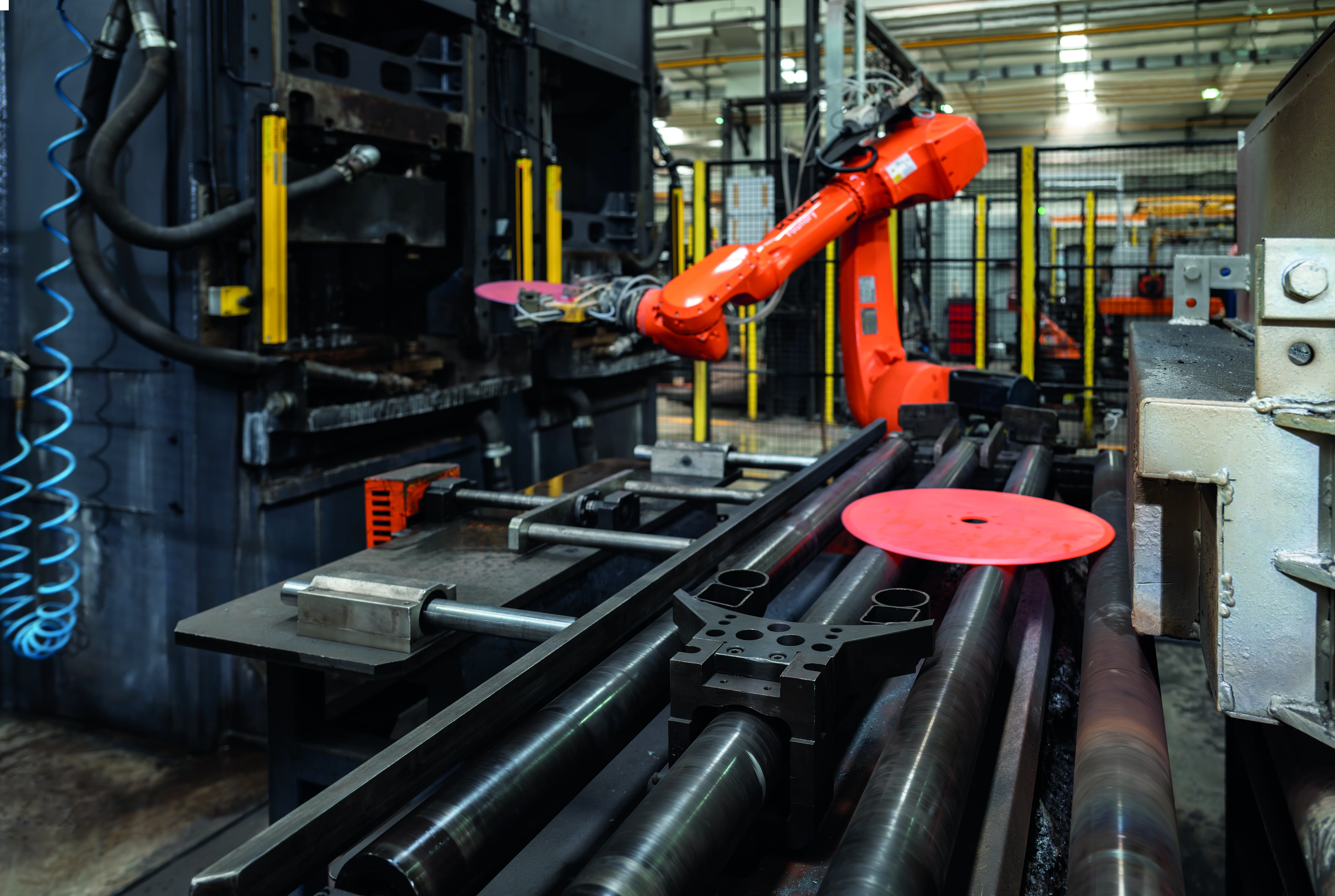
Forging is a traditional method of working metal by applying huge pressure and heat to press a part into shape using a mould. Once complete, it is cooled and hardened. This process is commonly used to manufacture bulk volume and parts that don’t have deep holes or openings in them, for example Maxipart® plough parts and cultivator points. Using this method ensures that most impurities and air pockets are compressed out of the alloy leaving a uniformly hardened product. Forgings can be more costly than castings and for some parts, but by no means all, can be considered to give better wear characteristics. An example where a forging may be better is on hedge cutting flails with cutting edges staying sharper for longer, and are also able to be sharpened over and over.
Tungsten Brazing
Tungsten carbide has the highest tensile strength of any natural metal, which makes it ideal for improving life of wearing parts. This is very intricate process fuses a tungsten tile to a pre-tempered steel part to create a virtually unbreakable bond. What is essential in this is ensuring that the base metal is thick enough and tempered properly to the correct hardness after the tungsten tile has been applied.
×
1
Product selection
2
Contact information
3
Review information
Subscribe to the Maxipart® Newsletter
Get notified about new products, events and Maxipart® news.